

How to File a Car Insurance Claim Like a Professional sets the stage for this enthralling narrative, offering readers a glimpse into a story that is rich in detail with casual formal language style and brimming with originality from the outset.
Readers will be guided through the essential steps and key elements required to file a car insurance claim like a seasoned pro, ensuring a smooth and efficient process.
Understanding the Basics
When it comes to filing a car insurance claim, doing it correctly is crucial to ensure a smooth process and proper coverage for any damages or injuries incurred. Understanding the basics of filing a claim is essential for all drivers.
Importance of Filing a Claim Correctly
- Properly filed claims can help you receive compensation for damages to your vehicle or injuries sustained in an accident.
- Incorrectly filed claims may result in delays or denials, leaving you responsible for covering the costs.
- Insurance companies rely on accurate information to process claims efficiently and fairly.
Key Elements Needed to File a Claim
- Policyholder information, including contact details and policy number.
- Date, time, and location of the incident.
- Description of what happened and any damages or injuries suffered.
- Police report, if applicable.
Different Types of Car Insurance Coverage
There are various types of car insurance coverage that can impact the claims process:
- Liability:Covers damages to other vehicles or property if you are at fault in an accident.
- Collision:Covers damages to your vehicle in a collision with another vehicle or object.
- Comprehensive:Covers damages to your vehicle from non-collision incidents like theft, vandalism, or natural disasters.
Examples of Common Scenarios Requiring a Claim
- Car accidents where you are at fault or the victim.
- Theft or vandalism of your vehicle.
- Damaged caused by weather events like hail or flooding.
Initial Steps
After an accident, the immediate actions you take can significantly impact the outcome of your car insurance claim. It is crucial to remain calm and focused, prioritizing safety and gathering necessary information.
Assessing Vehicle Damage
- Check for injuries: First and foremost, ensure everyone involved in the accident is safe and seek medical attention if needed.
- Examine your vehicle: Assess the damage to your car, documenting any visible dents, scratches, or other issues caused by the accident.
- Take photos: Use your phone or camera to capture multiple angles of the damage to your vehicle as well as the overall accident scene.
Documenting the Accident Scene
- Exchange information: Obtain the contact and insurance details of the other driver(s) involved in the accident.
- Collect witness information: If there are any witnesses to the accident, gather their contact information in case it is needed for your insurance claim.
- File a police report: Depending on the severity of the accident, it may be necessary to contact the police and file a report for documentation purposes.
Contacting Your Insurance Company
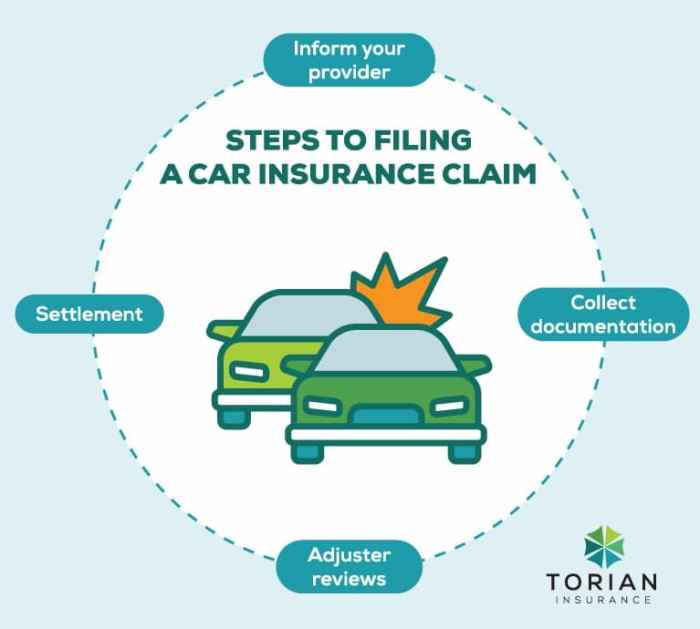
When it comes to filing a car insurance claim, one of the first steps is to contact your insurance company to initiate the process. This is crucial to ensure that your claim is processed in a timely and efficient manner.
Providing Information to Your Insurance Company
When reporting the claim to your insurance company, you will need to provide specific information to help them assess the situation accurately. This may include details such as:
- Your policy number
- The date and time of the incident
- A description of what happened
- The contact information of any other parties involved
- Pictures or documentation of the damage
It is important to be as detailed as possible when providing this information to your insurance company. This will help them process your claim more efficiently and accurately.
Role of an Insurance Adjuster
An insurance adjuster plays a crucial role in the claims process. Once you have reported the claim to your insurance company, an adjuster will be assigned to assess the damage and determine the extent of coverage under your policy. The adjuster will typically:
- Investigate the accident or incident
- Assess the damage to your vehicle
- Review the terms of your policy to determine coverage
- Provide an estimate for repairs or replacement
- Communicate with you throughout the claims process
Insurance adjusters are trained professionals who work to ensure that claims are handled fairly and efficiently. It is important to cooperate with your adjuster and provide any additional information or documentation they may request to help expedite the claims process.
Providing Documentation
When filing a car insurance claim, providing the necessary documentation is crucial to ensure a smooth and efficient process. Proper documentation helps support your claim and provides the insurance company with the information they need to assess the situation accurately.
Types of Documentation Required
- Police Report: If your claim involves an accident, a copy of the police report detailing the incident is essential.
- Photos and Videos: Visual evidence of the damage to your vehicle can help support your claim.
- Repair Estimates: Obtain estimates from reputable auto repair shops to show the cost of repairs.
- Medical Records: If there are injuries involved, provide medical records and bills for treatment.
- Insurance Policy Information: Have your insurance policy details handy when filing the claim.
Organizing and Submitting Paperwork
- Keep all documents in a safe and organized manner to easily access them when needed.
- Submit the required paperwork promptly to avoid delays in processing your claim.
- Make copies of all documents before submitting them to the insurance company for your records.
- Follow up with the insurance company to ensure they have received all necessary documentation.
Importance of Accurate Information
- Providing accurate and detailed information in your documentation is crucial for a successful claim.
- Incorrect or incomplete information can lead to delays or denial of your claim.
- Double-check all documents for accuracy before submitting them to the insurance company.
- Be honest and transparent in your documentation to avoid any issues during the claims process.
Damage Assessment and Repair
When it comes to filing a car insurance claim, understanding how the damage to your vehicle is assessed and repaired is crucial. This process can greatly impact the outcome of your claim and the overall repair experience.
Assessment of Damage
- After you report the claim to your insurance company, an adjuster will be assigned to assess the damage to your vehicle.
- The adjuster will inspect the vehicle, take photographs, and gather information to determine the extent of the damage.
- They may also consult with repair shops or experts to get a more accurate assessment.
Getting Repair Estimates and Approvals
- Once the damage is assessed, you will need to obtain repair estimates from reputable auto repair shops.
- These estimates will be submitted to your insurance company for review and approval.
- It is important to choose a repair shop that is approved by your insurance company to ensure a smooth approval process.
Options for Repairing Your Vehicle
- Your insurance company may offer you the option to use their preferred repair shops for the repairs.
- These preferred shops have established relationships with the insurance company and can streamline the repair process.
- However, you also have the right to choose your own repair shop if you prefer.
- If you choose your own repair shop, make sure they provide detailed estimates and are willing to work with your insurance company for approvals.
Resolving Claim Issues
When filing a car insurance claim, various challenges may arise that can prolong the process or lead to disputes with the insurance company. It's essential to know how to handle these issues effectively to expedite the resolution of your claim and receive the compensation you deserve.
Common Challenges
- Delays in claim processing due to a high volume of claims or lack of communication from the insurance company.
- Disputes over the extent of coverage or the value of the damages, leading to disagreements on the settlement amount.
- Issues with documentation, such as missing or incomplete paperwork, causing delays in the evaluation of the claim.
Handling Disputes
- Stay calm and collected when discussing the dispute with the insurance company to maintain a professional and respectful tone.
- Provide any additional evidence or documentation to support your claim and clarify any misunderstandings that may have led to the dispute.
- If necessary, escalate the issue to a supervisor or claims manager within the insurance company to seek a resolution at a higher level.
Tips for Expedited Resolution
- Follow up regularly with your insurance company to ensure that your claim is progressing and address any delays or issues promptly.
- Be proactive in providing all necessary documentation and information requested by the insurance adjuster to expedite the evaluation process.
- Consider seeking assistance from a legal advisor or a consumer protection agency if you encounter significant obstacles in resolving the claim with the insurance company.
Last Recap
In conclusion, mastering the art of filing a car insurance claim like a professional is not only crucial but also empowering. By following the Artikeld steps and tips, you can navigate the claims process with confidence and precision, ensuring a favorable outcome.
FAQs
What should I do immediately after an accident?
After ensuring everyone's safety, document the accident scene, exchange information with the other party, and notify your insurance company.
How do I assess the damage to my vehicle?
Inspect your vehicle thoroughly, take photos, and if needed, seek professional assessment from a mechanic or repair shop.
What role does an insurance adjuster play in the claims process?
An insurance adjuster evaluates the damage, reviews your policy, and determines the coverage and settlement for your claim.
What types of documentation are required for a car insurance claim?
You may need your insurance policy, accident report, repair estimates, photos of the damage, and any other relevant paperwork.
How can I expedite the resolution of my claim?
Stay organized, communicate promptly with your insurance company, and follow up regularly to ensure a timely resolution of your claim.