
Starting off with Fleet Vehicle Maintenance: The Secret to Lower Operating Costs, this introduction aims to grab the reader's attention and provide a glimpse into the topic at hand.
The subsequent paragraph will delve deeper into the specifics of the subject matter.
Importance of Fleet Vehicle Maintenance
Ensuring proper maintenance for fleet vehicles is essential in reducing overall operating costs. By staying on top of regular maintenance schedules, fleet managers can avoid costly repairs, breakdowns, and downtime that can significantly impact the budget.
Key Components of Fleet Vehicle Maintenance for Cost Savings
- Regular Oil Changes: Ensuring vehicles have clean oil and filters can improve fuel efficiency and prevent engine damage, ultimately saving on fuel costs and expensive repairs.
- Tire Maintenance: Proper tire inflation and rotation can extend tire life, improve fuel efficiency, and enhance overall vehicle performance, reducing the need for premature tire replacements.
- Fluid Checks: Monitoring and replenishing essential fluids such as coolant, brake fluid, and transmission fluid can prevent overheating, brake failure, and transmission issues that can be costly to fix.
Proactive Maintenance for Cost Prevention
- Scheduled Inspections: Conducting regular inspections can catch potential issues early on, allowing for timely repairs or replacements before they escalate into more significant and expensive problems.
- Predictive Maintenance: Utilizing data and technology to predict when parts may fail can help prevent unexpected breakdowns, reduce downtime, and avoid costly emergency repairs.
- Training and Education: Providing drivers with proper training on vehicle maintenance and safe driving practices can minimize wear and tear on vehicles, leading to fewer repairs and longer vehicle lifespans.
Best Practices for Fleet Vehicle Maintenance
Maintaining a fleet of vehicles can be a complex task, but following best practices for fleet vehicle maintenance can help streamline operations and reduce costs in the long run.
Creating a Comprehensive Maintenance Schedule
Regular maintenance is crucial for keeping fleet vehicles in top condition. To create a comprehensive maintenance schedule, consider factors such as mileage, usage patterns, and manufacturer recommendations. Implementing a proactive approach to maintenance can help prevent breakdowns and costly repairs down the line.
- Schedule regular oil changes based on mileage or time intervals.
- Perform routine inspections of brakes, tires, and fluid levels.
- Keep track of service records and maintenance history for each vehicle.
Regular maintenance can help identify small issues before they escalate into major problems, saving both time and money in the long term.
Benefits of Regular Inspections and Servicing
Regular inspections and servicing play a key role in keeping fleet vehicles safe, reliable, and efficient. By conducting regular checks and addressing any issues promptly, you can ensure that your vehicles are always in optimal condition.
- Identifying and addressing minor issues early can prevent costly repairs.
- Improving fuel efficiency through proper maintenance and tuning.
- Enhancing driver safety by ensuring that vehicles are roadworthy at all times.
Preventative Maintenance Tasks to Extend Vehicle Lifespan
In addition to regular servicing, incorporating preventative maintenance tasks can help extend the lifespan of fleet vehicles and maximize their performance over time.
- Rotate tires regularly to ensure even wear and extend tire life.
- Replace air filters and spark plugs at recommended intervals to improve engine performance.
- Check and replace fluids, such as coolant and brake fluid, to prevent damage and ensure proper function.
By implementing these best practices for fleet vehicle maintenance, you can optimize the performance and longevity of your fleet while minimizing operating costs and downtime.
Cost-Effective Maintenance Solutions
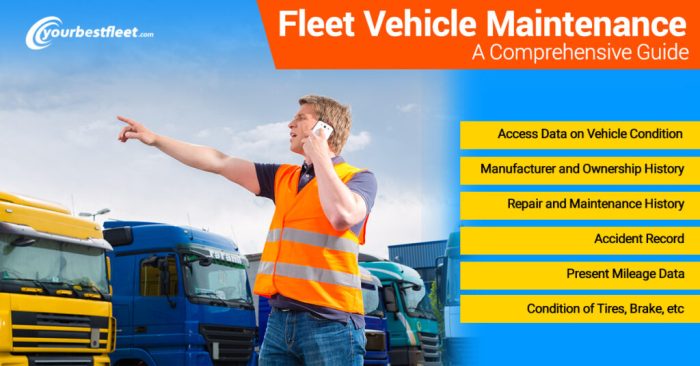
When it comes to fleet vehicle maintenance, finding cost-effective solutions is crucial for reducing operating expenses and maximizing efficiency. Let's explore some strategies that can help your fleet stay on the road without breaking the bank.
In-House Maintenance vs. Outsourcing Services
One cost-effective maintenance solution is deciding between handling maintenance in-house or outsourcing services to third-party providers. Here are some advantages of each option:
- In-House Maintenance:By having an in-house maintenance team, you can have more control over scheduling, quality of work, and costs. This can lead to faster turnaround times and potentially lower expenses in the long run.
- Outsourcing Services:Outsourcing maintenance to specialized providers can save you from investing in equipment, training, and overhead costs associated with an in-house team. Additionally, outsourcing can provide access to expert knowledge and technologies that may not be available internally.
Negotiating Maintenance Contracts for Cost Savings
Another way to achieve cost-effective fleet maintenance is by negotiating maintenance contracts with service providers. Here are some tips for getting the best deals:
- Request competitive bids from multiple providers to compare pricing and services offered.
- Consider long-term contracts for bulk discounts or loyalty programs.
- Include performance-based metrics in the contract to ensure quality service and cost-effectiveness.
- Negotiate flexible payment terms or warranties to protect your investment.
Technology and Tools for Efficient Maintenance
Technology plays a crucial role in streamlining fleet maintenance operations, allowing businesses to optimize their resources and reduce costs. By leveraging specific tools and software, companies can track maintenance schedules and costs more effectively, ensuring that vehicles are always in top condition.
Additionally, the implementation of predictive maintenance systems can significantly reduce downtime and overall maintenance expenses.
Vehicle Diagnostic Tools
- Advanced diagnostic tools can help identify issues before they escalate, allowing for timely repairs and preventing breakdowns.
- Real-time monitoring of vehicle performance metrics enables proactive maintenance planning and efficient resource allocation.
- Integration of diagnostic tools with fleet management software provides a comprehensive overview of the entire fleet's health status.
Fleet Management Software
- Software solutions offer centralized management of maintenance schedules, service records, and costs, improving operational efficiency.
- Automated alerts and notifications ensure timely servicing and prevent oversights in maintenance tasks.
- Data analytics capabilities provide insights into maintenance trends, helping in making informed decisions for cost-effective maintenance strategies.
Predictive Maintenance Systems
- Utilizing predictive analytics, maintenance schedules can be optimized based on vehicle usage patterns and historical data, reducing unnecessary maintenance activities.
- Predictive maintenance helps in predicting component failures before they occur, allowing for proactive replacements and minimizing downtime.
- Cost savings are achieved through targeted maintenance interventions, preventing costly repairs and extending the lifespan of fleet vehicles.
Closing Summary
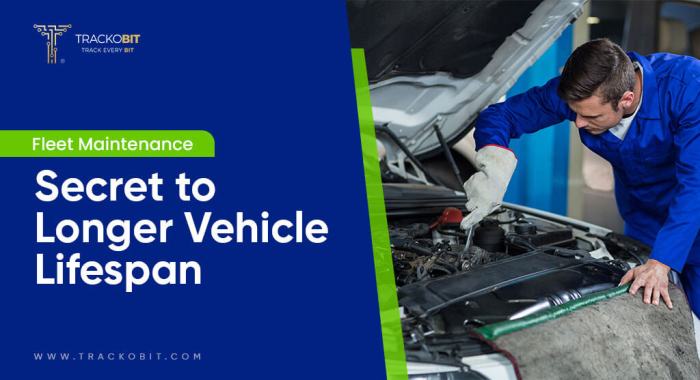
Concluding with a captivating summary, this section wraps up the discussion on Fleet Vehicle Maintenance: The Secret to Lower Operating Costs, leaving the readers with valuable insights.
Query Resolution
Why is fleet vehicle maintenance important for lowering operating costs?
Fleet vehicle maintenance is crucial for reducing operating costs as it helps prevent costly repairs and breakdowns, ultimately saving money in the long run. By staying proactive with maintenance, you can address issues before they escalate, leading to significant cost savings.
What are some cost-effective maintenance solutions for fleet vehicles?
Some cost-effective maintenance solutions include regular inspections, timely servicing, and proactive maintenance to prevent major repairs. Additionally, negotiating maintenance contracts and comparing in-house maintenance with outsourcing services can also lead to cost savings.
How can technology help streamline fleet maintenance operations?
Technology can streamline fleet maintenance operations by providing tools and software to track maintenance schedules, costs, and vehicle performance. Utilizing predictive maintenance systems can also reduce downtime and overall maintenance costs.